
Short Answer: Hell is the Bible’s name for God’s just judgment on unrepentant sin—described as separation, ruin, and terrifying punishment—so we urgently need Jesus.
Long Answer: Many people imagine hell as a cartoonish place with pitchforks, or they assume it is only a symbol for feeling guilty. But the Bible treats final judgment as real, personal, and serious. Within the first pages of Scripture, sin brings death and exile from God’s presence (Genesis 3). And across the New Testament, Jesus speaks most clearly about the coming judgment and the two destinations people face (Matthew 7:13–14; Matthew 25:31–46). So, What is hell like according to the Bible? It is a real and dreadful outcome where God’s justice is revealed, evil is answered, and those who refuse God’s mercy experience final separation and punishment.
At the same time, the Bible never talks about hell to satisfy curiosity. It talks about it to warn us, to call us to repentance, and to point us to the rescue God has provided in Jesus (John 3:16–19; Romans 5:8–9).
Hell is described with serious images, not casual jokes
The Bible uses several strong pictures to communicate the horror of final judgment. These images are not meant to be entertainment. They are warnings.
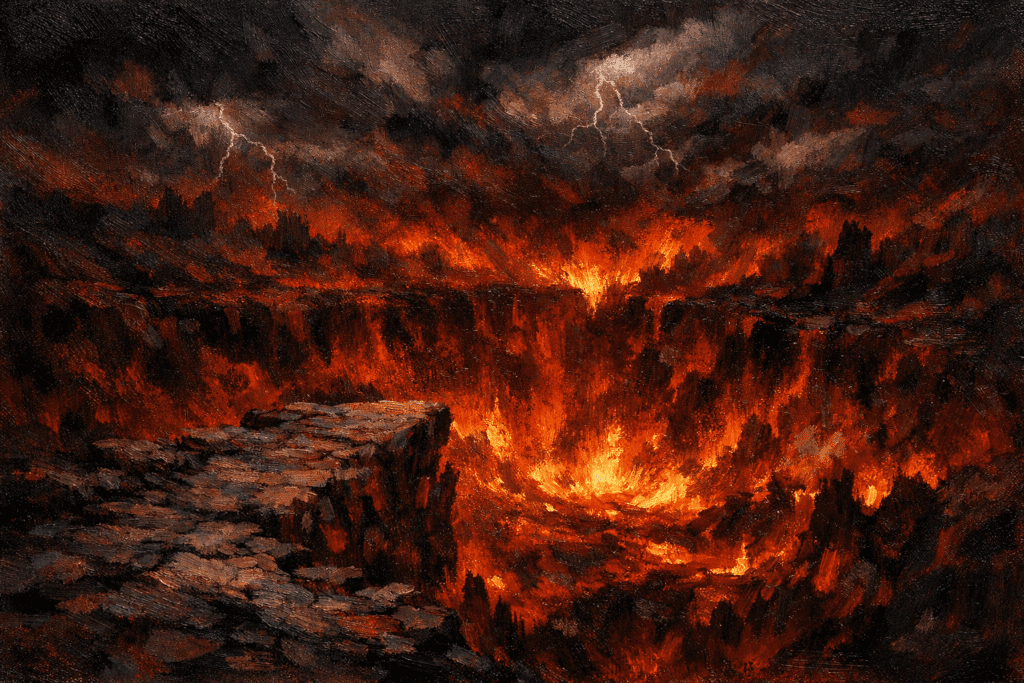
- Fire and burning: Jesus repeatedly uses “fire” language to describe judgment (Matthew 13:40–42; Mark 9:43–48). Revelation speaks of a “lake of fire” as the final destination for the devil and for those whose names are not in the book of life (Revelation 20:10–15).
- Outer darkness and exclusion: Jesus also describes judgment as being cast “outside” into “outer darkness,” a picture of being shut out from the joy of God’s kingdom (Matthew 8:11–12; Matthew 22:13).
- Destruction and ruin: Scripture speaks of perishing and destruction (Matthew 10:28; 2 Thessalonians 1:8–9). This does not mean God loses control; it means the person’s life ends in devastation rather than wholeness.
- Shame and terror: Daniel points to a resurrection that leads either to everlasting life or to shame and contempt (Daniel 12:2). Jesus warns that judgment is something to fear, not mock (Luke 12:4–5).
These are different pictures, but they all point the same direction: hell is dreadful, and sin is not “no big deal” to a holy God.
Hell is God’s just judgment, not a random act of cruelty
A common misunderstanding is that hell means God is harsh or unfair. The Bible presents the opposite: judgment shows that God is righteous and that evil truly matters.
God is patient, giving time for repentance (2 Peter 3:9). He does not delight in wickedness (Ezekiel 18:23). Yet a good God must also be a just judge. If God never dealt with evil—never answered violence, exploitation, abuse, deceit, and rebellion—then the universe would have no moral foundation.
The Bible holds together two truths that we need at the same time:
- God is holy (Isaiah 6:3; 1 Peter 1:15–16).
- God is merciful (Psalm 103:8–12; Romans 5:8).
Hell is what God’s justice looks like for those who persist in rejecting his mercy.
Hell is tied to refusing Jesus, not merely “being imperfect”
Everyone has sinned (Romans 3:23). If hell were simply the penalty for being imperfect, no one would have hope. But the message of the gospel is that God made a way to be forgiven and restored through Jesus’ death and resurrection (1 Corinthians 15:3–4).
Jesus describes judgment in relational terms: people either come into the light or stay in darkness because they refuse the truth (John 3:19–21). He also warns that on the last day, some will claim religious activity, but they did not truly know him or do the Father’s will (Matthew 7:21–23). In other words, hell is not mainly about God “sending good people away.” It is about what happens when sinners reject the only Savior who can make them new. Condemnation to hell is not God making a choice; it is God honoring the choice an individual made with their lives.
The Bible’s warnings about hell are never separated from the invitation to come to Christ (Matthew 11:28–30; John 5:24). Every person has a choice, “Will I accept God’s invitation in Jesus or not?”
Is hell conscious and eternal? Christians have discussed details, but the warning is clear
Faithful Bible readers agree on the core: there is a real final judgment, and the consequences are terrifying. Where Christians sometimes disagree is how to describe the “duration” and “experience” of that judgment.
- Many Christians conclude that the clearest reading of texts like Matthew 25:46, Revelation 14:11, and Revelation 20:10 points to ongoing conscious punishment.
- Others emphasize passages that speak of destruction or perishing (like Matthew 10:28 and 2 Thessalonians 1:9) and argue for a final ending of the wicked rather than never-ending experience.
Whichever view someone holds, the Bible’s purpose is not to help us chart hell like a map. The purpose is to sober us: rejecting God leads to irreversible loss, and Jesus is the only rescue (Acts 4:12). That is the urgent point you should not miss.
Hell shows the weight of sin—and the worth of the cross
If you want to understand hell, look at Jesus’ cross. The Son of God took sin seriously enough to suffer and die in our place (Isaiah 53:5–6; 2 Corinthians 5:21). He spoke hard truths about judgment, and then he walked toward the cross anyway. That is not cruelty; that is love.
Hell tells us that sin is not a small sickness we can shrug off. It is rebellion that destroys us and dishonors God. The cross tells us that God did not leave us there. He paid the price to bring us home (Romans 5:8–9).
So the most important question is not, “How hot is the fire?” The most important question is, “Have I turned to Jesus?”
Will God send people to hell who never heard about Jesus?
The Bible teaches that God is perfectly just and that he judges rightly (Genesis 18:25; Romans 2:5–11). It also teaches that the gospel is God’s saving message and must be proclaimed (Romans 10:13–15). If this troubles you, let it move you to prayer, to humble trust in God’s justice, and to sharing Christ with compassion and urgency.
What is hell like in Scripture?
Scripture describes hell as real final judgment—pictured as fire, darkness, exclusion, and destruction—where those who reject God face lasting, terrible consequences (Matthew 25:46; Revelation 20:10–15).
Can someone be saved from hell after death?
Hebrews warns that humans die once and then face judgment (Hebrews 9:27). Jesus’ parable in Luke 16 also emphasizes a fixed separation after death (Luke 16:19–31). The Bible’s consistent call is to repent now, while we have life and opportunity (2 Corinthians 6:2).
What to do next
- Take Jesus’ warnings seriously and talk to God honestly in prayer (Luke 12:4–5).
- Read one Gospel (like Mark or John) and ask what it shows about Jesus and your need for him (John 20:31).
- Respond to the gospel with repentance, confessing Jesus as Lord, and being baptized by immersion as the normal biblical response of faith (Acts 2:38; Romans 10:9; Acts 22:16).
- Connect with a healthy local church—meet with a pastor/elder or trusted leader for guidance, prayer, and discipleship (Hebrews 10:24–25).
- If fear about judgment is overwhelming, don’t carry it alone; ask a mature Christian to walk with you as you seek Christ (Galatians 6:1–2).
Key Scriptures: Matthew 7:13–14; Matthew 25:31–46; Mark 9:43–48; John 3:16–21; 2 Thessalonians 1:8–9; Hebrews 9:27; Revelation 20:10–15; Acts 2:38; Romans 5:8–9; Romans 10:9