
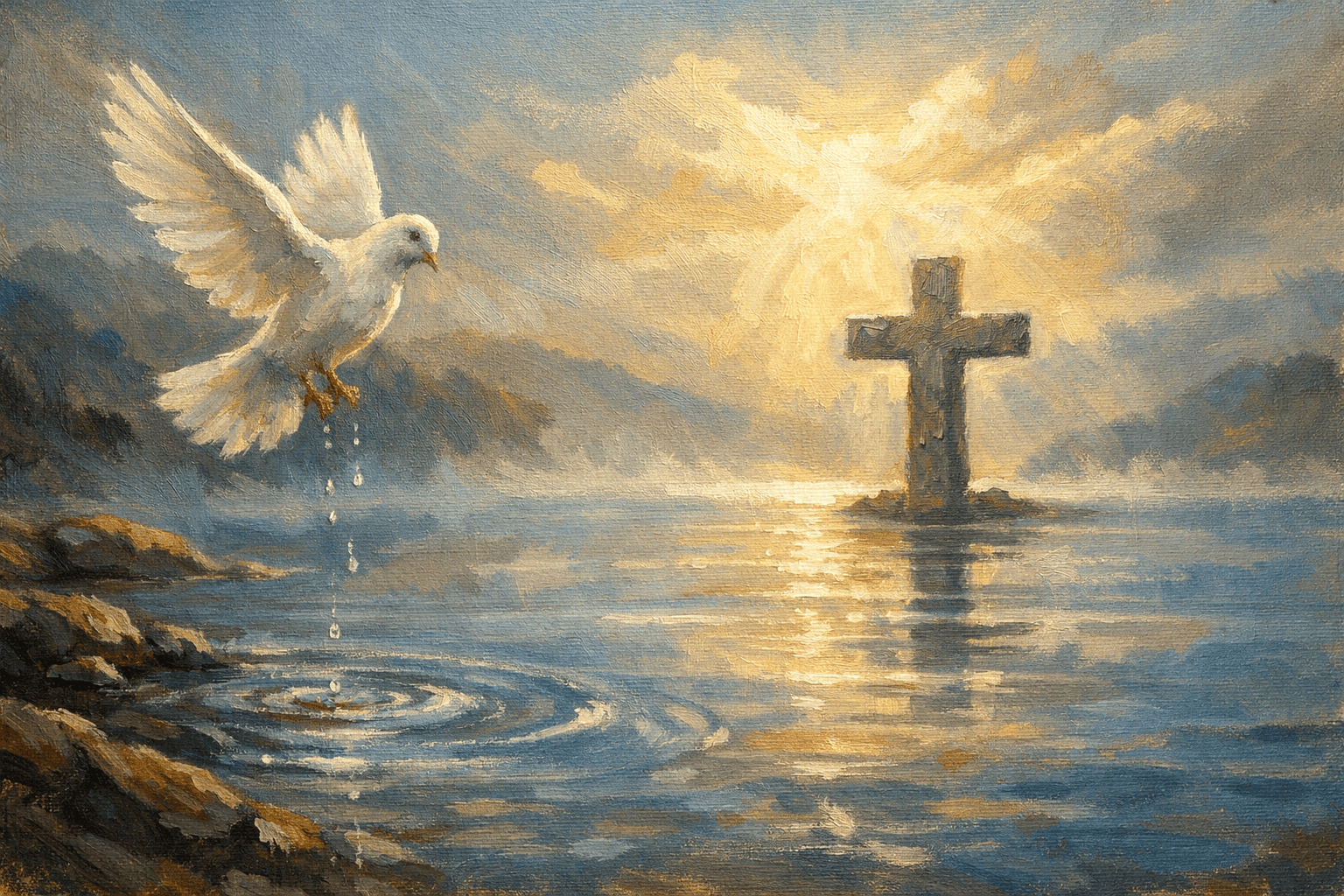
Baptism matters because Jesus commanded it, the New Testament treats it as the normal faith-response that unites us with Christ, is for the forgiveness of sins, marks repentance, and begins a new life with his people.
Many people think of baptism as a meaningful church moment—something you do because your family expects it, or because you want to “go public” later. But in the Bible, baptism is more than a spiritual photo-op. Why does Baptism matter? Because Jesus placed it at the front end of discipleship, and the apostles repeatedly called people to respond to the gospel with repentance, faith, and baptism as a decisive step into new life.
Baptism matters first because it’s connected to Jesus himself. Christianity is not mainly about self-improvement; it’s about rescue and rebirth through the crucified and risen Lord. Baptism is one of the main ways Scripture says we step into that story—turning from sin, trusting Christ, and beginning to live under his reign.
Jesus commanded baptism as part of making disciples
After Jesus rose from the dead, he told his followers to make disciples of all nations, baptizing them and teaching them to obey all he commanded (Matthew 28:19–20). That’s a big clue: baptism isn’t presented as an advanced step for “serious Christians.” It’s part of how disciples are made in the first place.
In the New Testament, the gospel call is not “say you agree and come back later for the rest.” The call is, “Turn to Jesus. Follow him.” Baptism is wrapped up in that response. It’s not a replacement for faith; it’s faith stepping into obedience to Christ’s command.
Baptism is tied to repentance and forgiveness in the gospel invitation
When people first heard the good news about Jesus in Acts 2, they were cut to the heart and asked what to do. Peter’s response was direct: repent and be baptized for the forgiveness of sins and receiving the Holy Spirit (Acts 2:38). That doesn’t mean baptism is a human work that earns salvation. It means God has appointed a concrete, obedient response that expresses repentance and trust in Jesus.
Other passages echo this connection. When Saul (Paul) encountered the risen Christ, Ananias told him to be baptized and wash away his sins, calling on Jesus’ name (Acts 22:16). Peter speaks of baptism in terms of an appeal to God for a clean conscience—grounded in the resurrection of Jesus (1 Peter 3:21). In each case, the emphasis is not on water as a ritual substance, but on God’s saving action in Christ and our sincere response to him.
If that feels weighty, it should. The New Testament treats baptism as a moment of turning: leaving the old life and embracing Jesus as Lord.
Baptism unites us with Christ’s death and resurrection
One of the clearest explanations of baptism comes from Romans 6. Paul says we were baptized into Christ Jesus, baptized into his death, and raised to walk in newness of life (Romans 6:3–4). That’s why baptism is so often practiced by immersion. Going down into the water fits the picture of burial; coming up fits the picture of resurrection. It’s a visible proclamation: “My old self has died with Christ, and I now belong to the risen King.”
Colossians says something similar, describing believers as buried with Christ in baptism and raised through faith in the powerful working of God (Colossians 2:12). Notice how Scripture holds together God’s power and our faith-response. Baptism matters because it is one of God’s chosen ways to preach the gospel to our hearts and to the watching world.
Baptism is where faith becomes embodied allegiance
In our culture, “faith” can sound like a private opinion: “I believe this is true.” But biblical faith is deeper. It includes trust, loyalty, and a readiness to obey (James 2:17 shows that faith is not meant to remain alone). Baptism is one of the clearest, earliest acts of that obedient trust.
Think about the pattern in Acts:
- People hear the message about Jesus.
- They believe.
- They are baptized.
- They continue as learners and worshipers in the church (Acts 2:41–42).
This doesn’t mean every person’s story looks identical or that God can’t meet someone in unusual circumstances. It does mean the normal biblical pathway is straightforward: when you come to Christ, you don’t hide your allegiance. You confess him (Romans 10:9–10) and you enter the waters of baptism as a decisive “yes” to his lordship.
Baptism marks entry into the family of God
Baptism is personal, but it’s never meant to be private. The New Testament connects baptism with belonging to the people of God. Paul says that in one Spirit we were all baptized into one body (1 Corinthians 12:13). In Galatians, baptism is described as being clothed with Christ, and it’s tied to our shared identity as God’s children through faith (Galatians 3:26–27).
That’s why baptism is best understood within the context of a healthy local church. It’s not merely your testimony; it’s the church welcoming you into visible fellowship, committing to help you grow, and expecting you to walk with others in love, holiness, and mission.
Is baptism required for salvation?
The New Testament consistently presents baptism as the normal response of repentant faith to the gospel (Matthew 28:19–20; Acts 2:38; Acts 8:36–39). That’s why Christians should not treat baptism as optional or insignificant. At the same time, Scripture is clear that we are saved by God’s grace and mercy, not by performing a ritual (Ephesians 2:8–9; Titus 3:5). Baptism is not “earning” salvation; it is obediently receiving and confessing Christ in the way he commanded.
A helpful way to say it is: don’t separate what the Bible holds together. When Jesus is preached in Acts, people are called to repent and be baptized without delay. So if someone says, “I believe in Jesus, but I refuse baptism,” that’s not a small preference issue—it raises a serious question about surrender to Jesus’ lordship (Luke 6:46). On the other hand, if someone wants to obey but is prevented by circumstances, God is not powerless to save. He is the judge, and he is good, just, and merciful. God is not bound by baptism, but followers of Jesus are bound to adhere to what Scripture teaches about baptism.
So the pastoral takeaway is simple: if you can be baptized, and you understand the call of Jesus, don’t wait. Respond with humble faith, and do it in the context of the church.
A common misunderstanding: “Baptism is just a symbol, so it’s optional”
It’s true that baptism is a symbol—an outward sign that points to cleansing, death to sin, and new life. But in the Bible, symbols are not “empty.” They are God-appointed actions that carry covenant meaning.
When the Ethiopian official asked to be baptized, he didn’t treat it like an optional add-on. He saw water and asked, “What prevents me?” (Acts 8:36–38). The story assumes baptism is the next obedient step.
So a better way to say it is: baptism is a symbol with substance. It doesn’t save by mere performance. But it is not treated as a take-it-or-leave-it ceremony either. Jesus commands it. The apostles preach it. The early church practices it as the normal response of repentant faith.
If you’ve been hesitant because you’re waiting to feel worthy, hear this: baptism is not the reward for the cleaned-up; it is for sinners turning to the Savior.
Why baptism matters for your ongoing discipleship
Baptism is not the finish line; it’s a beginning.
Romans 6 doesn’t just say we were raised with Christ—it says we should walk in newness of life (Romans 6:4). Baptism sets a direction: you now live as someone who has died to sin’s rule and belongs to Jesus. That includes learning obedience, practicing forgiveness, serving others, and resisting temptation by the Spirit’s power.
In that sense, baptism becomes an anchor for your identity. When doubts come, you can say, “I have turned to Jesus. I have publicly pledged my allegiance. I am learning to follow him.” Not because water is powerful, but because Christ is powerful—and he calls us to a tangible, obedient trust.
What to do next
- If you believe Jesus is Lord and you haven’t been baptized, talk with a pastor/elder or trusted church leader about being baptized by immersion as the biblical pattern.
- If you were baptized before you personally trusted Christ, ask a church leader to help you think through New Testament baptism and whether you should be baptized as a believer.
- Pray, repent honestly, and confess Jesus openly, asking God for courage and joy as you obey.
- If you don’t have a church home, visit a few Bible-teaching churches, meet the leaders, and ask about baptism and ongoing discipleship in community.
- After baptism, commit to regular gathering, Scripture, prayer, and serving so your new life is nurtured and strengthened.
Matthew 28:19–20; Acts 2:38–42; Acts 8:36–39; Acts 22:16; Romans 6:3–6; Colossians 2:12; Galatians 3:26–27; 1 Corinthians 12:13; 1 Peter 3:21; Ephesians 2:8–9; Titus 3:5; James 2:17
Memorize these passagesHear them read, say them back, and learn them by heart.
- Baptism According to Scripture by Dr. Bobby Harrington RENEW.org resource
- Baptism What the Bible Teaches by Tony Twist, Bobby Harrington and David Young/Renew.org RENEW.org resource
- What Does the Bible say about Baptism? by Bobby Harrington/Renew.org RENEW.org resource
Also asked as
- Is baptism important?
- Is baptism necessary?
- Why is baptism important for Christians?
- What does baptism do?
Part of the question How is a person saved?